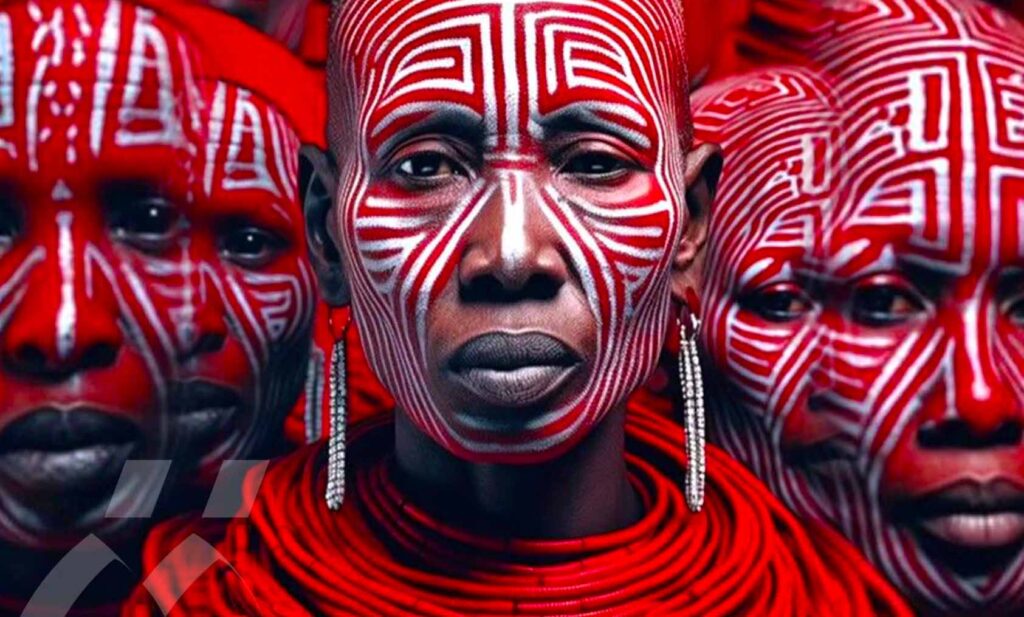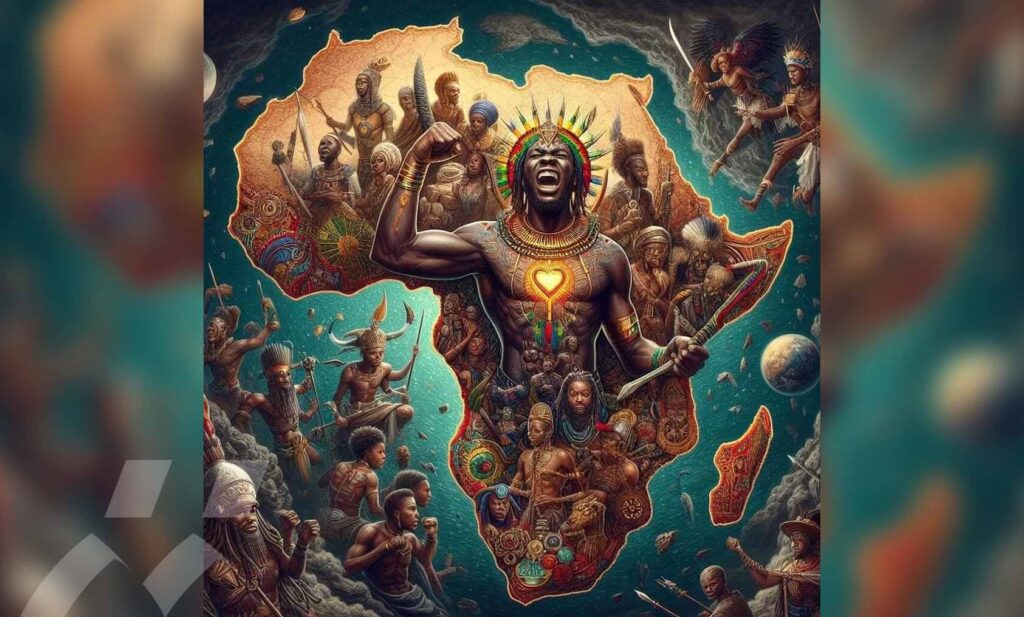
The World Day for African and Afro-descendant Culture (WWDCC), celebrated on 24 January, highlights the richness of African cultures and their diasporas, promoting intercultural dialogue and sustainable development. January 24, 2026 marks a particularly vibrant edition with varied events in Africa, Europe and the Americas, such as conferences, concerts and exhibitions. This philosophical article explores its deep meaning as a catalyst of collective identity and global harmony.
Historical roots
UNESCO proclaimed this day in 2019 at its 40th General Conference, in connection with the Charter for African Cultural Renaissance adopted in 2006 by the African Union. This date symbolizes not only a living heritage, but also a philosophical call for the recognition of Africa as the cradle of humanity, where cultural diversity transcends geographical boundaries to unite diasporas and continents. It invites us to reflect on the essence of the human being: an existence woven with oral traditions, performative arts and ancestral knowledge that defy Eurocentric universalism.
Theme 2026: Youth and Peace
For 2026, the theme “Cultural heritage, progress and harmony: Engaging the youth of Africa and its descendants to strengthen peace in the world” focuses on intergenerational transmission. Philosophically, this evokes the Hegelian idea of the zeitgeist applied to Africa: youth as a dialectic force between preserved past and innovative future, fostering peace through shared creativity. Events such as those in Paris (organized by the Togolese Delegation and UNESCO) or in Saint-Denis illustrate this dynamic, mixing music, dance and debates.
In Africa, Brazzaville and Kinshasa vibrate as African capitals of culture, with exhibitions and festivals; in Europe, Paris and Brussels host conferences and workshops; in the Americas, tributes to figures like Lounès Matoub highlight the diaspora. These demonstrations embody a philosophy ubuntu – “I am because we are” – where the individual flourishes in the collective, transforming culture into a lever against postcolonial fractures.
Beyond the celebrations, the JMCA questions the role of culture as a global common good, aligned with Agendas 2063 and 2030. She raises the Levinasian question of otherness: how does the African heritage, rich in resilience, nourish an ethics of peace in the face of contemporary challenges such as migration or inequality?. Thus, January 24, 2026 is not a commemoration, but an existential call to co-create a plural humanism.